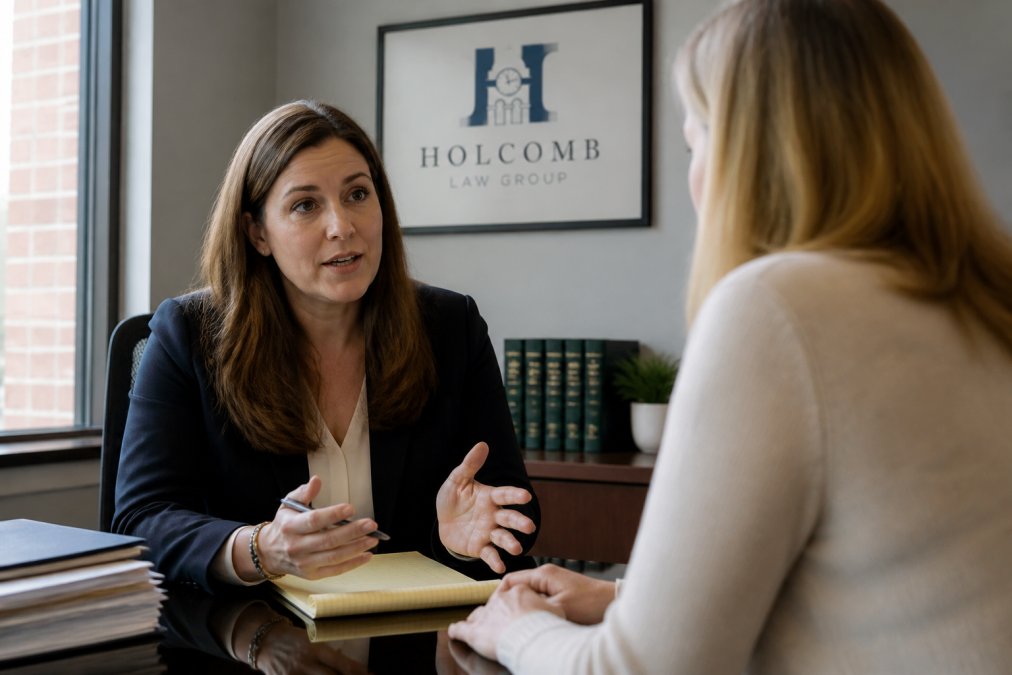
Why Lawyer Communication Breaks Down (and What It Costs You)
Most legal disputes between attorneys and their own clients don’t start with incompetence. They start with silence. A client waits three weeks for a return call, assumes the worst, and begins shopping for new counsel. Meanwhile the attorney believes the matter is proceeding exactly as planned. Lawyer communication problems rarely stem from bad intentions; they stem from unspoken assumptions about who should reach out, how often, and through which channel.
Key Takeaway The single most common cause of attorney-client conflict is not a bad outcome. It’s a gap between what the client expected to hear and what the attorney actually communicated.
Step 1: Set Expectations Early With a Written Communication Agreement
A written communication agreement is a short document, signed at the start of representation, that defines how and when you and your attorney will exchange information. It removes guesswork from the relationship. The American Bar Association’s guidance on client communication treats keeping a client reasonably informed as a core professional obligation, not a courtesy. A written agreement simply makes that obligation concrete.
Include these elements:
- Preferred channel for routine updates (email, client portal, or phone)
- Expected response window for non-urgent questions
- Who else on the legal team may contact you
- How you’ll be notified of deadlines, hearings, or filings
- What constitutes an emergency that warrants immediate contact
Step 2: Prepare for Attorney-Client Meetings So Nothing Gets Lost
Preparation is the difference between a productive attorney-client meeting and an expensive recap of what you already discussed. Before each meeting, write down your three most important questions and bring copies of any new documents, correspondence, or notices you’ve received. Attorneys bill for their time, and a disorganized explanation on your end burns billable hours re-establishing facts you already know.
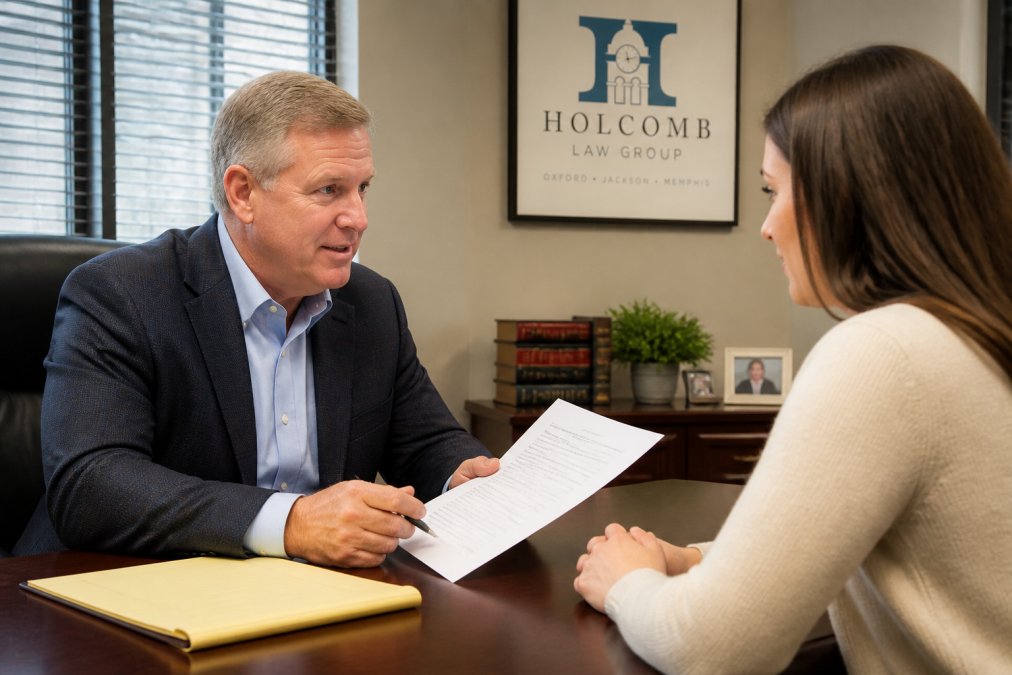
Use this pre-meeting checklist:
- List your top three questions in writing
- Gather new documents, letters, or notices since the last meeting
- Note any deadlines you’ve been told about
- Write down what outcome you want from this specific meeting
- Confirm the meeting’s purpose in advance so your attorney can prepare
Pro Tip Ask your attorney at the end of every meeting: “What are the next three things that will happen, and who is responsible for each?” This single question prevents most follow-up confusion.
How Often Should My Lawyer Update Me? Setting a Realistic Schedule
A reasonable update schedule depends on the phase of your matter, not a fixed calendar. Active litigation with frequent filings may warrant weekly updates. A probate administration moving through standard steps might only need monthly contact. The key is agreeing on the cadence in advance so silence never has to be interpreted.
- Initial filing and pleadings: Every 1-2 weeks — Email summary
- Discovery and document exchange: Weekly — Portal update or call
- Waiting periods and continuances: Monthly — Brief email
- Pre-trial preparation: Every few days — Phone call
- Post-resolution and closing: As milestones occur — Written notice
Make the Schedule Self-Enforcing, Not Willpower-Based
Most update promises fail because they depend on someone remembering. A better approach is to build the cadence into the tools you already use. Practice management platforms commonly used in the legal industry let you set recurring client-portal messages, automated milestone notifications, and task reminders tied to case phases. When a filing is docketed, the client can receive a portal notification without anyone drafting an email.
Pro Tip Ask your attorney which portal or client-messaging tool the firm uses, and whether you will receive automatic notifications when documents are filed or deadlines pass. If the answer is “we just email,” ask who owns the reminder.
Digital Communication Etiquette: The Rules Nobody Writes Down
Most communication advice assumes phone calls and in-person meetings. In practice, a large share of attorney-client contact now happens through email, secure portals, and text. Each channel has its own etiquette, and mismatched expectations are a common source of friction.
- Email: Treat a 1-2 business day response window as the default for non-urgent messages. Do not send the same question through email, text, and portal, it multiplies work and slows the answer.
- Client portal: Portals exist because they are secure and because they keep the file in one place. Use the portal for documents and case-specific questions; use email for scheduling.
- Text messaging: Many attorneys will not discuss case substance by text because it is hard to preserve and easy to misread. Confirm in advance whether text is for logistics only.
- After-hours messages: Sending at 11 p.m. is fine. Expecting a reply before morning is not. State your urgency explicitly if there is one.
When the Client Goes Silent
Most guidance focuses on the lawyer’s failure to communicate. The reverse problem is just as common and rarely addressed: a client who stops responding. Deadlines still move. Opposing counsel still acts. A non-responsive client can stall a matter or force an attorney to withdraw.
A few practical habits prevent this:
- Set a response deadline in every substantive request. “Please confirm by Friday” produces replies that “let me know” does not.
- Escalate channels deliberately. If email goes unanswered for a week, follow with a phone call, then a portal message, then a written letter. Document each attempt.
- Name the consequence. A neutral note that “if I don’t hear back by [date], I’ll need to [specific next step]” is not a threat; it is a fact about how the matter proceeds.
- Keep a communication log. Date, channel, summary, and outcome. If the relationship later breaks down, the log is the record.
Step 3: Follow Best Practices for Attorney-Client Correspondence
Good attorney-client correspondence is short, specific, and documented. Write emails with a clear subject line that names the matter and the question. Avoid burying a request inside a long narrative. Attorneys scan; they don’t read every email twice.
Best practices for attorney-client correspondence include:
- One topic per message when possible
- A direct question at the top, not the bottom
- Attachments named clearly (not “scan001.pdf”)
- A stated deadline if you need a response by a certain date
- Copies of prior relevant emails when the thread is long
Watch Out Never send an urgent request through a channel your attorney hasn’t confirmed they monitor. A message sent to a personal inbox or a social media account may sit unread for days while a filing deadline passes.
Step 4: Use Lawyer Communication Templates for Status Updates and Requests
Templates remove the friction of composing a message from scratch and keep your requests consistent. Below are three you can copy and adapt.
Status update request:
Document submission:
Deadline confirmation:
Step 5: How to Resolve Disputes With Your Attorney Before They Escalate
Address a communication problem the moment you notice it, not after it compounds. Most disputes with an attorney begin as small frustrations: a missed call, a vague answer, a bill that doesn’t match your understanding. Handled early, these are conversations. Handled late, they become grievances.
A Four-Stage Escalation Path
Treat dispute resolution as a sequence, not a single decision. Each stage has a trigger and a goal.
- Direct written message. State the specific issue and what you’d like changed. Avoid accusations; describe the gap. Trigger: any pattern you’ve noticed twice. Goal: a corrected habit, not an apology.
- Working-relationship call. If the written message doesn’t change anything within a reasonable window, request a call that is explicitly about the working relationship, separate from the substance of the case. Trigger: no change after one written attempt. Goal: a revised communication agreement.
- Firm-level review. If the attorney is in a firm, ask to speak with a supervising partner or the firm’s client-relations contact. Many firms have a designated person for exactly this. Trigger: the relationship call doesn’t produce a fix. Goal: a different point of contact or a revised cadence.
- External channels. State bar associations commonly offer fee dispute resolution programs and informal complaint processes. The legal consumer resources from the American Bar Association can point you toward the right channel in your state. Trigger: the firm cannot or will not resolve the issue. Goal: a neutral review.
Watch Out Do not stop paying an invoice to force a response. Non-payment can trigger withdrawal, lien claims, or collection activity, and it weakens your position in any later fee dispute. Raise billing concerns through the channels above instead.
Communicating Across Language and Culture
None of the standard guides address what happens when the client and attorney do not share a first language or a cultural script for disagreement. The gap is real, and it produces predictable failures.
- Written summaries after every verbal conversation. If a call happened in a second language for either party, send a short written recap of what was decided. This catches misunderstandings before they harden.
- Avoid idioms and legal shorthand in writing. Phrases like “we’ll kick the tires on that” or “that’s a non-starter” do not translate cleanly. Plain statements do.
- Name the disagreement norm explicitly. In some cultures, directly contradicting a professional is uncomfortable. Say out loud that you want to hear concerns, and that asking questions is expected, not rude.
- Use interpreters for substantive meetings when needed. A family member interpreting a settlement discussion is not the same as a professional interpreter, and the difference matters when precision counts.
- Confirm comprehension, not just delivery. “Does that make sense?” invites a yes. “Can you tell me in your own words what you understand the next step to be?” actually tests it.
If the Relationship Has Genuinely Broken Down
If the issues cannot be resolved, ask about transferring the file to new counsel. Attorneys are generally obligated to return client files and provide a timely accounting, though the specifics vary by jurisdiction and by the terms of your engagement. Expect to sign a substitution or withdrawal document, and expect the new attorney to request the file directly. Ask in writing for a final invoice and a clear statement of what remains outstanding.
Frequently Asked Questions
What should I do if my lawyer is not communicating with me?
Start with a written follow-up that names the specific question you need answered and a reasonable response window. If that fails, call the office and ask to speak with a supervising attorney or case manager. Keep a dated log of every call, email, and voicemail. If silence continues for weeks without explanation, send a formal letter requesting a status update and a copy of your file. Many state bar associations offer a fee dispute or client assistance program, and you can also request your file directly so a new attorney can review it.
How often should my lawyer update me on my case?
There is no universal rule, but a practical standard is a written update every 30 days when the case is active, plus immediate notice whenever a filing, hearing, offer, or deadline changes. Ask at the first meeting how often you should expect updates and in what form (email, portal, or phone). Put that schedule in your engagement letter. If your matter is quiet because you are waiting on the other side or a court date, a brief monthly note confirming no change still counts as a proper update.
What is the most common complaint clients have about their attorney?
Failure to return calls and emails, followed by unclear billing and surprise fees, are the two complaints that come up most often in client surveys and bar grievance data. Both trace back to the same root: no agreed communication schedule and no plain-language explanation of what each charge covers. Setting a written update cadence and asking for itemized statements with descriptions you understand solves most of the friction before it becomes a formal dispute.
How do I prepare for a meeting with my legal counsel so I get useful answers?
Send a short agenda two days ahead listing the three to five questions you most need answered, in priority order. Bring a one-page timeline of events with dates, names, and any documents already exchanged. Write down the answers during the meeting and read them back at the end to confirm you understood. Ask what the next step is, who is responsible, and by when. That single closing question prevents most of the confusion that leads to follow-up calls the next week.

