
Last Updated: Oct 18, 2026
Why Expert Mediation Services for Business Disputes Beat Litigation
Business disputes rarely get better when they are left alone. A partner disagreement turns into a frozen bank account. A contract dispute turns into a missed quarter. A supply chain disagreement turns into a lost customer.
Expert mediation services for business disputes exist because litigation is slow, expensive, and public. Mediation offers a structured way to settle on terms the parties control, often in weeks rather than years.
Cost and Time: The Real Difference
A commercial case that goes to trial can take two to three years and cost six figures in legal fees, expert costs, and management time. A mediated settlement often concludes in a day or two of sessions, with fees that are a fraction of the litigation budget.
The savings are not just legal fees. Mediation keeps executives out of depositions, keeps the dispute off the public record, and lets the parties preserve a working relationship. For many businesses, that last point matters more than the fee difference.
How to Choose an Experienced Mediator for Commercial Disputes
The mediator you choose shapes the outcome. A skilled mediator keeps the process moving, tests each side’s assumptions, and helps the parties find terms they can live with. A weak one lets the session drift.
A Due-Diligence Checklist for Prospective Mediators
Use the same questions with every candidate so the answers are comparable:
- Dispute-category depth: How many matters like yours have they mediated, and what were the outcomes?
- Role history: Have they worked as counsel, as a judge, or only as a mediator?
- Process style: Do they run joint sessions, private caucuses, or a mix, and why?
- Conflicts: Have they or their firm had any prior relationship with the other party?
- Availability and scheduling: How soon can they start, and can they commit to a full day?
- References: Can they provide references from lawyers or parties in similar disputes?
- Fee model: What is the rate, how is it split, and what is charged for preparation or cancellation?
Pro Tip: Ask a prospective mediator how they handle an impasse. The answer reveals their process. Strong mediators describe a sequence: reframe the problem, test the numbers, call a private caucus, and set a next step. Vague answers usually mean the mediator wings it.
Understanding Mediator Fee Structures
Mediator fees vary by market and by the complexity of the dispute. Most commercial mediators charge an hourly or half-day rate, with a minimum session length.
Before you engage anyone, confirm in writing:
- The hourly rate or flat session fee, and whether it is split evenly
- Whether preparation time and document review are billable
- The cancellation and rescheduling policy
- Any administrative or facility costs
- How and when invoicing happens
A mediator who cannot explain the fee in plain language is unlikely to explain the process clearly either.
Comparing Candidates Side by Side
Interview at least two mediators and compare them on the same dimensions. The comparison often reveals which one is the better fit and which one is simply a good salesperson.
Pay attention to how each candidate talks about the dispute. A mediator who asks about the business, the contract, and the relationship is thinking about the case. One who talks mostly about their own credentials is selling.
How to Settle a Business Dispute: A Step-by-Step Approach
Settling a business dispute follows a repeatable sequence. Skipping a step does not save time; it usually costs more later.
- Define the real dispute. Write down what you actually need: payment, performance, a release, a change in the relationship. Vague goals produce vague settlements.
- Gather the documents. Collect the contract, the correspondence, the invoices, and the timeline. The mediator will ask for them.
- Set your walk-away point. Know the number or the term below which you would rather litigate. Write it down before the session.
- Agree on a mediator. Both sides must accept the mediator. A mediator imposed on one side starts at a disadvantage.
- Exchange pre-session summaries. Each side sends the mediator a short confidential summary of the facts, the issues, and the settlement range.
- Attend the session with decision authority. The person who can say yes must be in the room or reachable by phone.
- Document the settlement. Reduce the terms to writing before anyone leaves, and set the deadlines for the final agreement.
That last step is where disputes quietly fall apart. A handshake is not a settlement.
What to Expect in Mediation: The Process From Start to Settlement
Mediation follows a predictable structure, though the order and the time spent on each part vary by mediator and by dispute.
The Opening Session
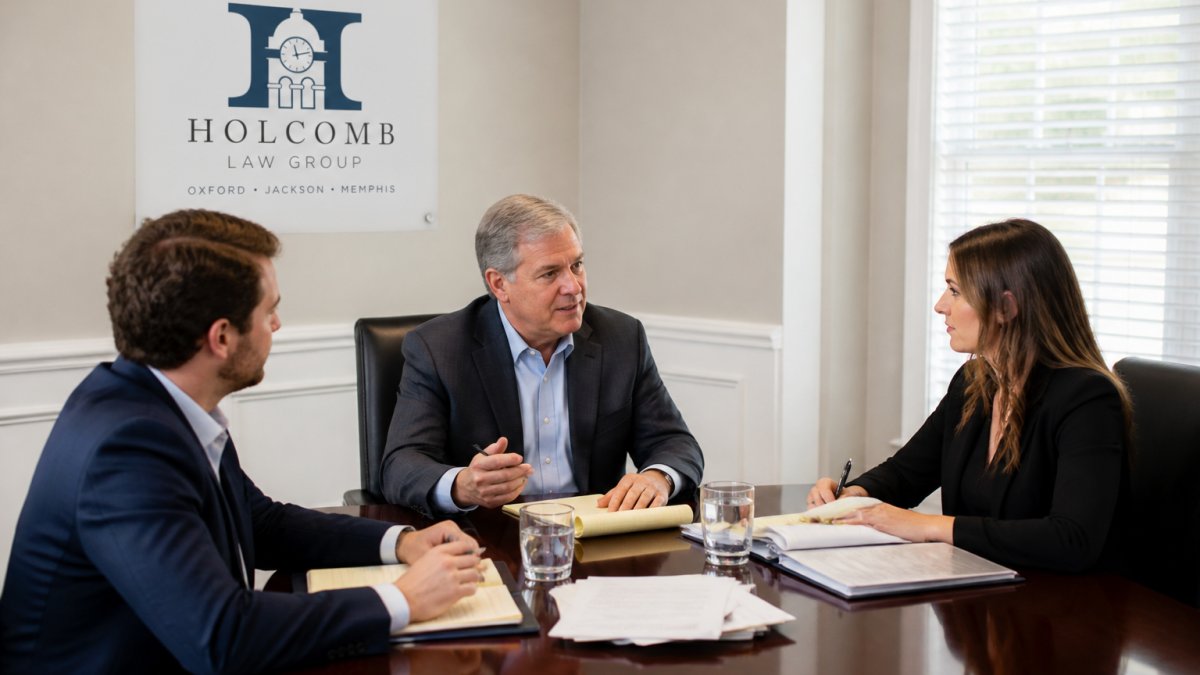
The mediator opens with ground rules, confirms confidentiality, and explains the process. Each side then presents its view of the dispute without interruption. The opening session sets the tone: if the parties feel heard, the negotiation goes better.
Private Caucuses and Negotiation
The mediator then moves to private caucuses, meeting with each side separately. In caucus, the mediator tests the strength of each position, carries offers back and forth, and helps the parties see the gap between their positions. This is where most of the real work happens.
Watch Out: Sending someone without settlement authority to a mediation session wastes everyone’s time. If the decision-maker is not present or reachable, the session stalls and the parties leave frustrated.
Documenting the Settlement
When the parties reach agreement, the mediator or counsel reduces the terms to writing before anyone leaves the room. A well-drafted term sheet or memorandum of settlement should cover:
- The specific obligations of each party, with deadlines
- Payment amounts, timing, and method
- Confidentiality and non-disparagement terms
- Releases and dismissal of any pending claims
- What happens if a party does not perform
A handshake is not a settlement. The written document is what protects both sides.
When the Agreement Becomes Binding
A signed term sheet or memorandum is usually binding, even if the parties plan to sign a longer agreement later. Confirm with your lawyer whether the document you are signing is intended to be binding, and whether any terms are left open.
If a Party Does Not Comply
If a party does not perform, the agreement usually allows the other side to seek enforcement in court. That is why the non-performance clause matters: it should say plainly what happens and what remedies are available, rather than leaving the parties to argue about it later.
The session is only half the work. The written agreement is what turns a conversation into a resolution.
Your Mediation Preparation Checklist
Preparation is the difference between a session that settles and a session that stalls. Use this checklist before the mediation date.
- Signed mediation agreement and confidentiality acknowledgment
- Contract, amendments, and the key correspondence
- Timeline of events with dates and documents attached
- Damages calculation with supporting records
- Settlement range and walk-away point, in writing
- List of decision-makers and their authority limits
- Pre-session summary sent to the mediator
- Travel and technology arrangements confirmed
- Opening statement drafted, kept short and factual
- Post-session follow-up plan: who drafts the final agreement and by when
Preparation is where experienced parties separate themselves from the rest. The mediator notices, and so does the other side.
Confidentiality, Impartiality, and Enforceability: What Makes Mediation Work
Three principles make mediation work. Confidentiality means what is said in the session stays in the session, so the parties can speak honestly. Impartiality means the mediator does not take sides, so both parties can trust the process. Enforceability means the written agreement can be enforced in court, so the settlement is real.
Confidentiality rules vary by state and by whether the mediation is court-ordered. Ask the mediator to explain the rules that apply to your matter before the session begins.
Impartiality is not the same as passivity. A good mediator will test both sides’ positions and point out weaknesses. That is not bias; it is the job.
Remote and Hybrid Mediation: Options for Modern Business Disputes
Video mediation is now routine for commercial disputes. It saves travel time, eases scheduling across time zones, and works well for matters where the parties are in different states. Some mediators run fully remote sessions; others use a hybrid format with the mediator and one party in the room and the other joining by video.
Remote mediation has limits. Reading the room is harder on a screen, and technical problems can break the flow. For high-conflict or multi-party disputes, an in-person session is often worth the travel.
For parties across Mississippi, Tennessee, and the Southeast, a hybrid format often makes sense: the mediator and local counsel meet in person, and the out-of-state decision-maker joins by video with full settlement authority.
Conclusion
Expert mediation services for business disputes give companies a way to resolve conflicts on their own terms, without the cost, delay, and publicity of litigation. The right mediator, a prepared team, and a clear settlement goal turn a dispute into a decision.
Holcomb Law Group brings deep preparation, steady judgment, and mediation experience to commercial disputes across Mississippi, Tennessee, and the Southeast. If your business is facing a dispute, reach out and tell us where you stand. We will give you a plain read on the path forward.
Frequently Asked Questions
How much should mediation cost for a business dispute?
Most commercial mediators charge by the hour or by the session, with rates that vary by market and by the complexity of the dispute. Confirm the rate, how it is split, and what is charged for preparation or cancellation before you engage anyone. For most business disputes, mediation costs a fraction of what litigation would.
What should you avoid saying during mediation?
Avoid ultimatums, personal attacks, and statements that lock you into a position you may want to change. Speak about interests and outcomes rather than blame. The mediator can help reframe a hard position, but only if you give them room to work.
Is mediation confidential in a business dispute?
Yes, in most cases. What is discussed in mediation is generally confidential and cannot be used in later litigation, but the rules vary by state and by whether the mediation is court-ordered. Ask the mediator to explain the confidentiality rules that apply to your matter.
What happens if mediation does not result in a settlement?
If mediation does not produce a settlement, the parties keep every other option: litigation, arbitration, or a later round of mediation. Nothing said in the session is admissible, and the mediator cannot be called as a witness. Many disputes that do not settle in the first session settle in a follow-up.

